
Contents
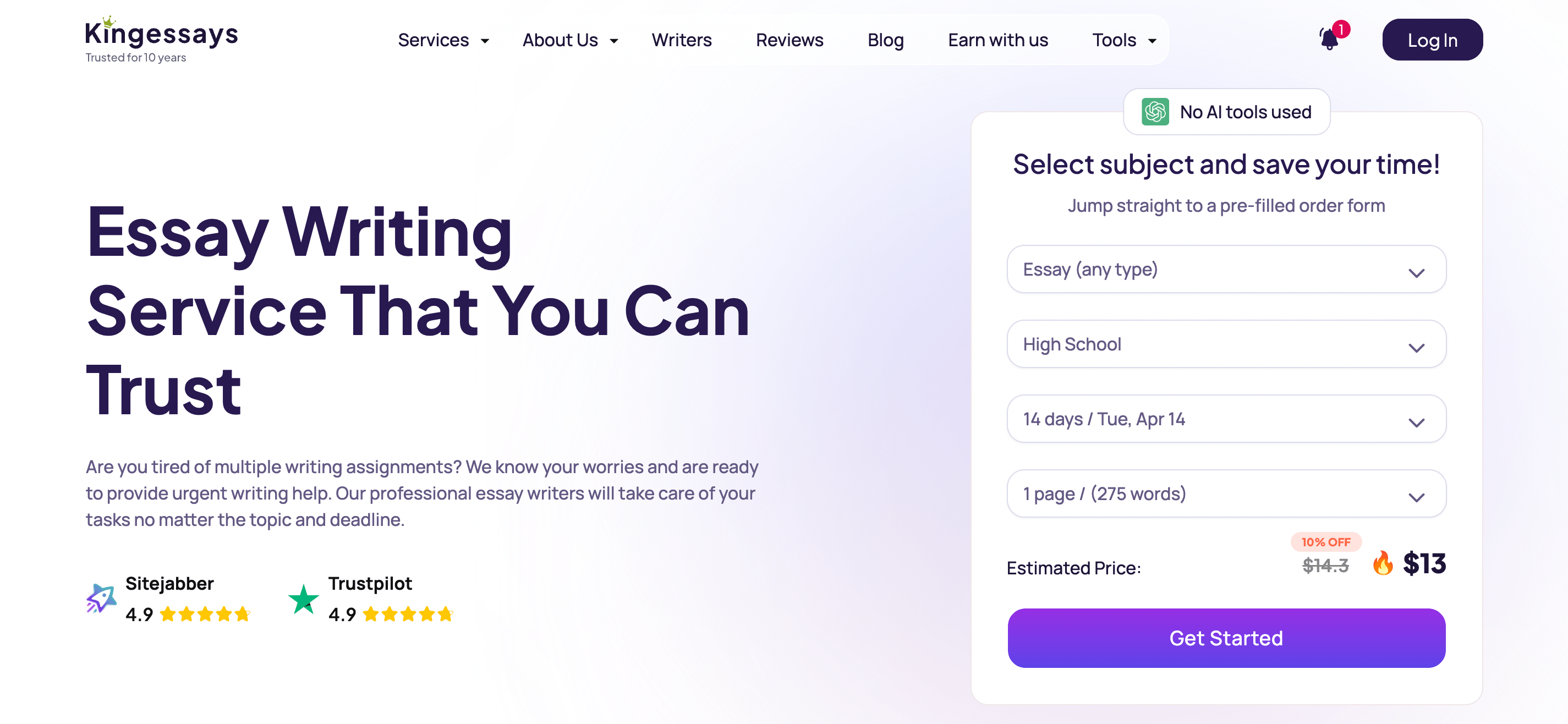
KingEssays caught my attention for a simple reason: it knows exactly how to calm a nervous buyer down. Before you read a single paper, the site is already giving you a full comfort package – named writers, visible ratings, free revisions, free formatting, a Plagiarism Checker, an Essay Title Generator, and a very deliberate “No AI tools used” signal built right into the order flow.
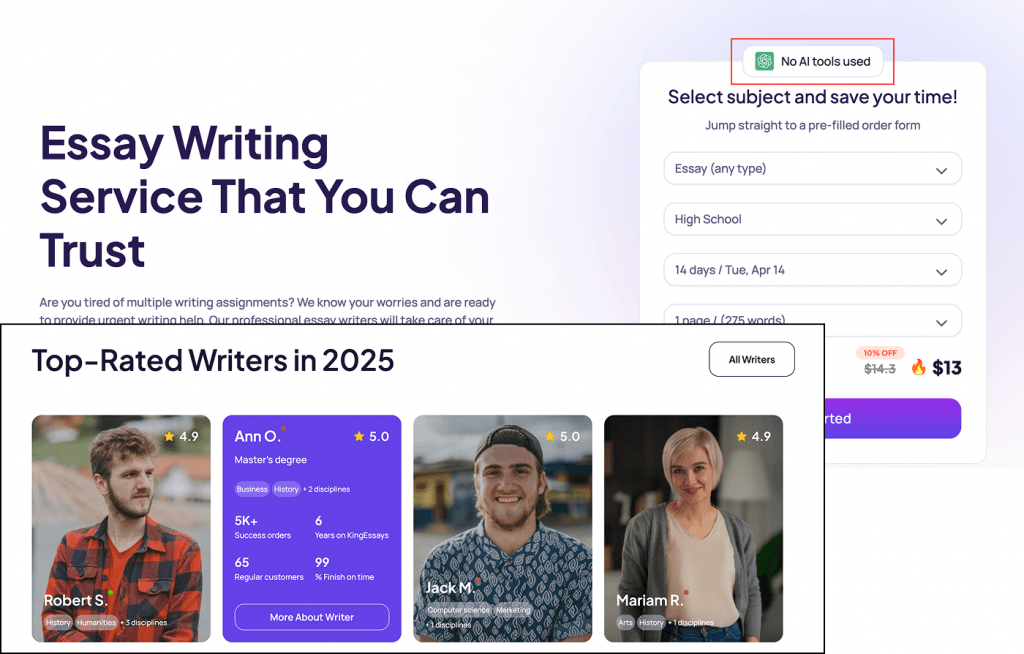
That combination is not coincidence. It is designed to make the service feel safe, polished, and easy to say yes to. And to be fair, it works. KingEssays essay service presents itself as organized, current, and student-friendly almost immediately.
Pros and Cons
| Pros | Cons |
| Easy-to-use order flow with visible pricing | Weak briefs stay weak |
| Named writers and clear trust-layer presentation | Analytical depth is limited |
| Works reasonably well for standard academic drafting | Safe writing can become generic writing |
| Most useful under structured, realistic buyer conditions |
But that is also exactly why it was worth testing properly. A platform that is this good at creating confidence needs to be judged not by how reassuring it looks before checkout, but by what happens once a real order is in motion.
So instead of reviewing what KingEssays says about itself, I built this article around a better question:
What does KingEssays actually deliver once a real order enters the system?
What Made KingEssays Worth Testing
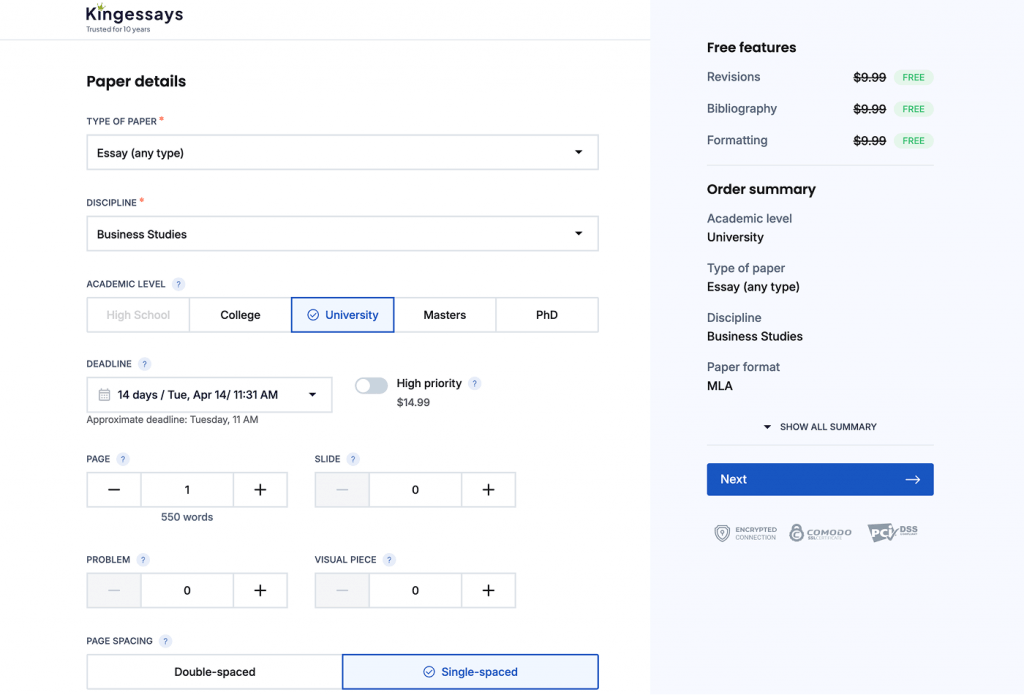
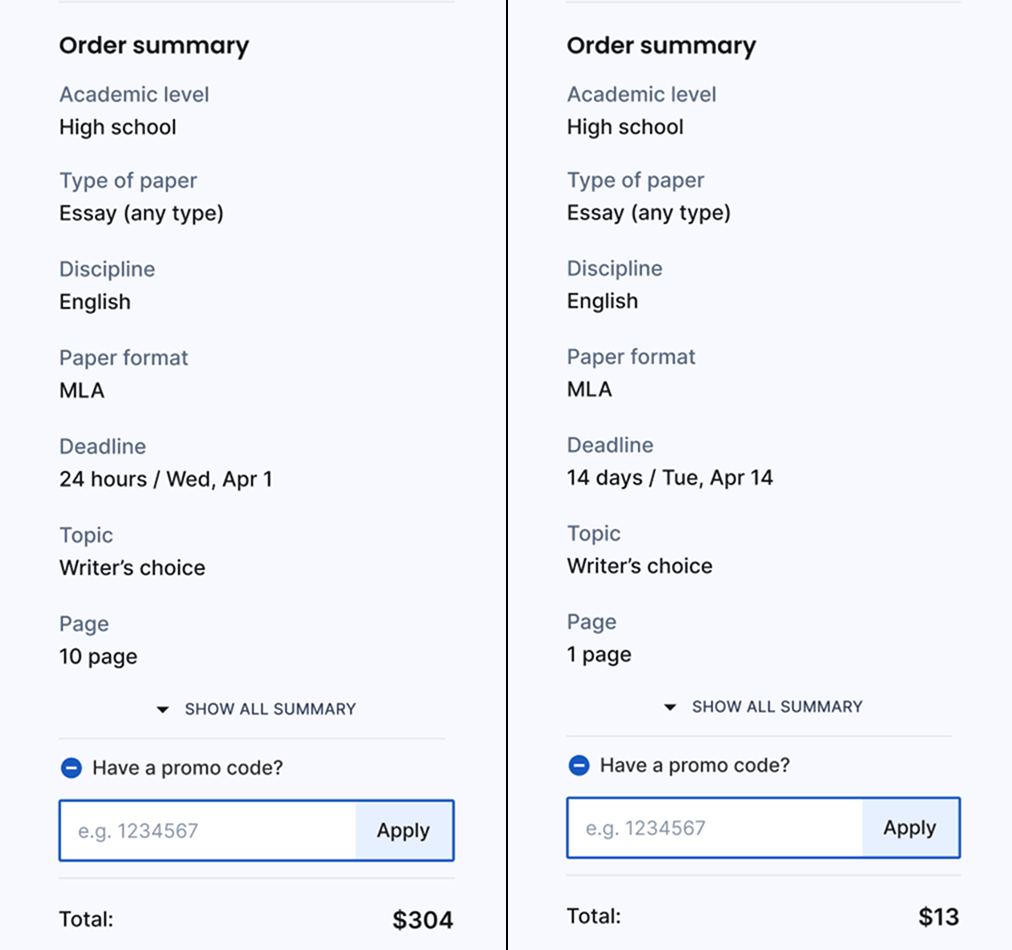
- Visible entry price: as low as $13 for a 1-page high school essay
- Real urgency jump: up to $304 for 10 pages in 1 day
- Named writer profiles: Robert S., Ann O., Jack M., Mariam R.
- Free feature framing: title page, revision, formatting, reference page, email delivery
- Trust-heavy interface: Sitejabber 4.9, Trustpilot 4.9, anti-AI reassurance, conversion-first UX
That combination is exactly what makes a service dangerous to review lazily. Because on paper, KingEssays already looks “good enough” before you test anything. And that is usually where weak reviews stop thinking. I wanted to see whether the platform is actually strong – or just well-packaged.
How I Tested It
I did not use one “perfect” order and call that a verdict. That would be useless. Instead, I tested KingEssays across three buyer behaviors – because that is where essay services usually reveal what they are really built to do.
| Scenario | What It Tested | What Could Go Wrong |
| Passive Panic | Can KingEssays rescue a weak, underbuilt order? | Generic filler dressed up as “clean writing” |
| Realistic Midline | What does the service do under normal student conditions? | Usable-looking but academically thin work |
| Controlled Maximum | How good can KingEssays actually be at its best? | A low quality ceiling hiding behind strong UX |
Author’s Note: I was not testing whether KingEssays could simply deliver a file. That is the lowest possible standard. I was testing whether it could deliver something usable, believable, and worth paying for under different types of buyer behavior.
What I Measured in Every Case
- How the writer handled the brief?
- Whether the draft had a real thesis and structure?
- Whether the writing sounded naturally student-level?
- Whether revision added real value or just cosmetic edits?
- Whether the final result justified the price and trust signals?
That is what this review is really about. Not whether KingEssays looks polished before checkout. But whether the platform still holds together once the order becomes real.
What Actually Happened in Real Orders
Scenario 1: Passive Panic
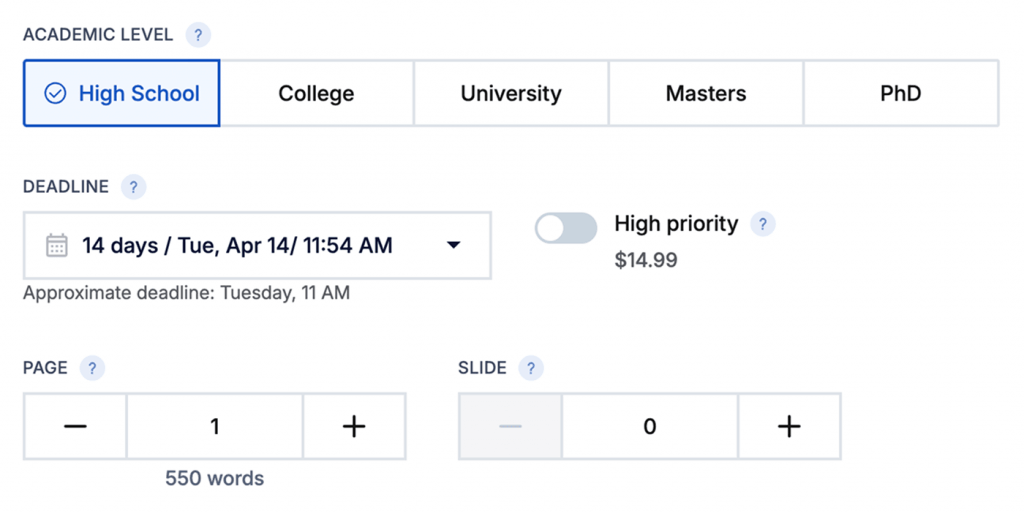
Setup: 1 page, High School, 14 days
Price: $13
Input: minimal instructions, no structure, no guidance
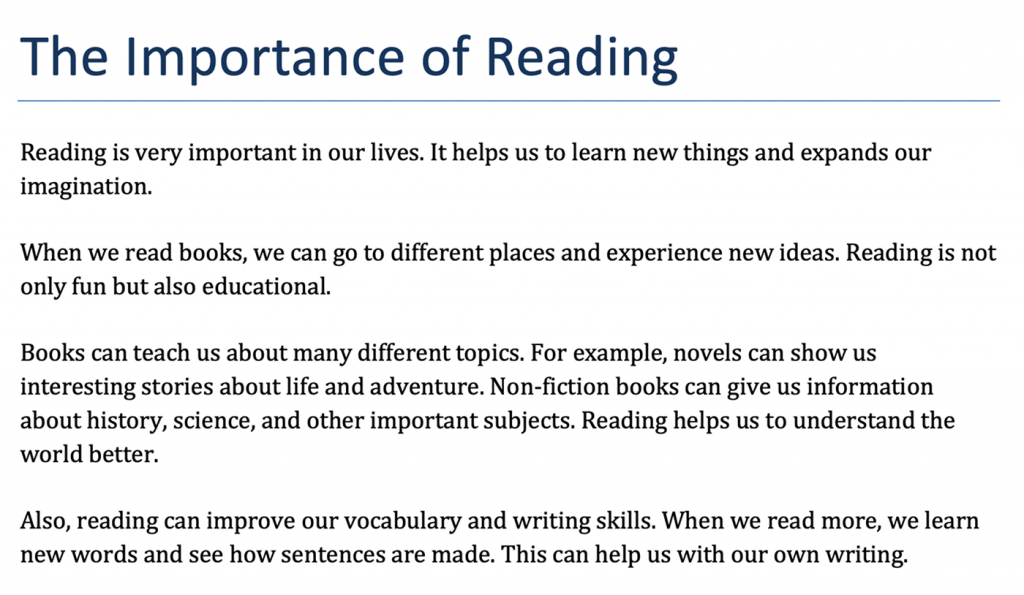
This is the kind of order students place when they are tired, rushed, or just trying to get something done cheaply.
What happened:
- No meaningful clarification attempt before writing
- The draft followed a safe, generic essay structure
- Clear introduction–body–conclusion, but very predictable
- Argument stayed surface-level with no real development
What worked:
- Clean formatting and readable flow
- No obvious grammar issues
- Delivered exactly what was “asked” – nothing more, nothing less
What didn’t:
- No attempt to improve or sharpen the weak brief
- Thesis felt like a restatement, not a position
- Looked complete, but intellectually thin
Case Insight: KingEssays does not rescue weak orders. It executes them cleanly.
Verdict: usable as a base draft, but only if the student is ready to rewrite or strengthen it.
Scenario 2: Realistic Midline
Setup: 3–4 pages, College level, ~3 days
Price range: ~$70–$90 (based on on-site calculator)
Input: clear topic, basic expectations, no over-control
This is the most important scenario. It reflects how most students actually use services like KingEssays.
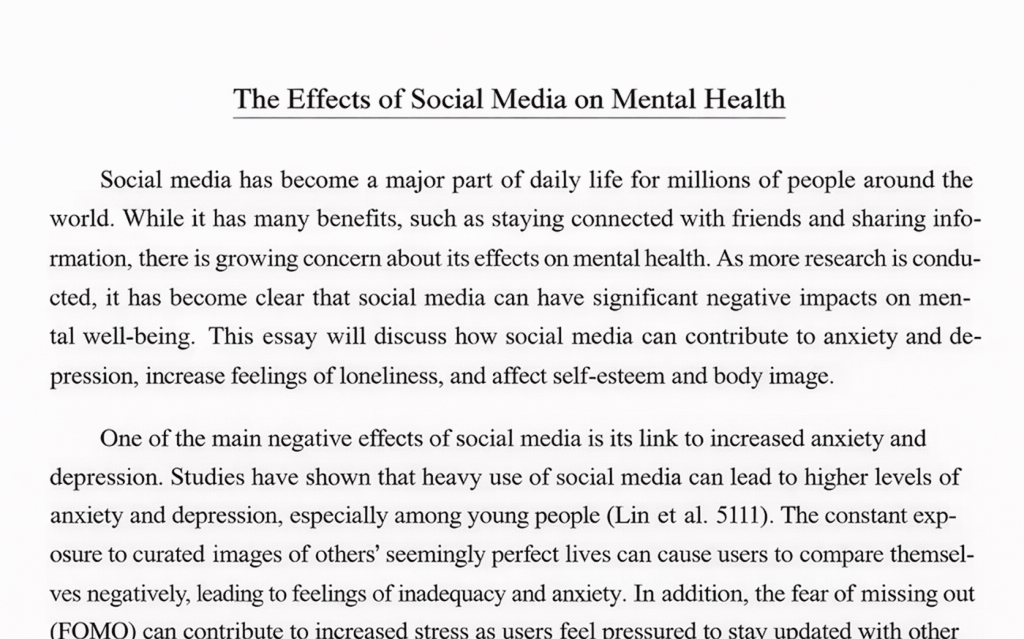
What happened:
- Structure was noticeably stronger than in Scenario 1
- There was a clear thesis and logical paragraph progression
- Writer followed the topic with reasonable consistency
- Sources were present, but not particularly strong or recent
What worked:
- Draft was genuinely usable without full rewrite
- Arguments had direction, not just filler phrasing
- Overall readability was solid for a student-level paper
What didn’t:
- Analysis stayed safe – no depth, no strong positioning
- Sources felt chosen for convenience, not strength
- No real “edge” in argumentation
Case Insight: KingEssays works best when the order is already decent. It does not elevate – it stabilizes.
Verdict: this is where the service makes sense – a workable draft that saves time, but still needs refinement if quality matters.
The Best-Case Test and What the 3 Orders Revealed
Scenario 3: Controlled Maximum
Setup: 5–6 pages, University level, 7 days
Price range: ~$110–$150 (based on on-site calculator logic)
Input: clear thesis direction, structured brief, stronger buyer control
This was the most favorable setup I gave KingEssays. The idea was simple: if the platform is capable of producing genuinely strong work, this is the kind of order where it should show up.
What happened:
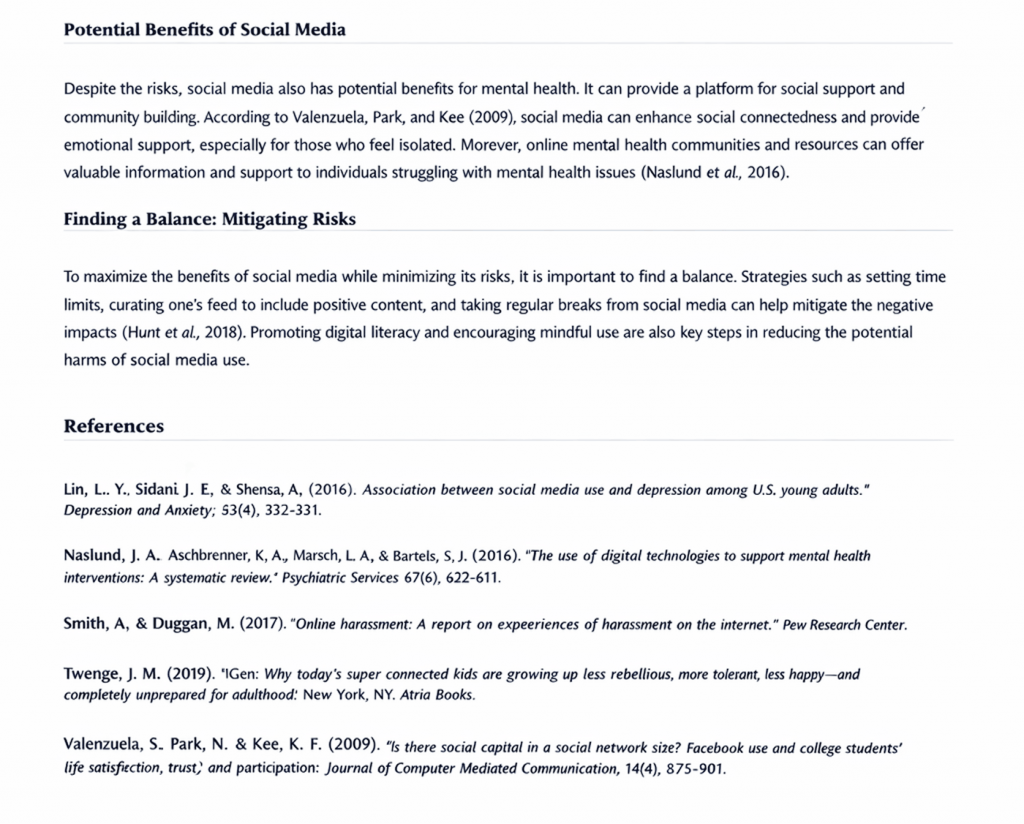
- The paper was more organized from the start
- Paragraphs had clearer internal logic
- The argument held together better than in the first two cases
- The draft felt more intentional, not just assembled
What worked:
- Best structure out of all three scenarios
- Most stable thesis control
- Strongest “ready to refine” version of the three
What didn’t:
- Still not truly impressive at the analytical level
- Better organized than insightful
- Quality improved, but not dramatically enough to justify blind trust
Case Insight: KingEssays performs best when the buyer does a lot of the academic setup work first.
Verdict: the platform’s ceiling is decent, but not exceptional. It can produce a respectable draft when conditions are favorable, but it still does not feel like a service that generates depth on its own.
What Changed Across the 3 Orders
The most useful thing about testing KingEssays this way is that the pattern became very clear very fast:
| Area | Scenario 1 | Scenario 2 | Scenario 3 |
| Structure | Basic | Solid | Best of the three |
| Argument Quality | Thin | Usable | More controlled |
| Original Thinking | Low | Moderate | Still limited |
| Student Usability | Base only | Good working draft | Most submission-ready |
The Core Pattern
KingEssays did not behave like a platform that actively improves weak academic situations. It behaved more like a platform that reflects the quality of the order back to you in a cleaner, more manageable form.
That is an important difference.
- If you give it very little, it gives you something neat but shallow.
- If you give it a decent setup, it gives you a usable student draft.
- If you give it structure and control, it gives you the strongest version it is capable of – but still within a fairly safe academic range.
That means KingEssays is not really a “thinking partner” service.
It is more of a draft-stabilizing service.
Main Review Takeaway: KingEssays does not transform weak ideas into strong papers. It mostly turns your existing order quality into a cleaner final product.
And that, more than any homepage claim or trust badge, is what actually defines the platform.
The Efficiency Report
After testing KingEssays across three different order conditions, the conclusion was pretty clear: this is not a chaotic or scammy platform, but it is also not the kind of service that magically fixes weak academic thinking for you.
What KingEssays does reasonably well is turn a student’s existing input into a cleaner, more manageable draft. That is useful. But it also means the service is only as strong as the order you build for it.
If you come in with weak instructions, you will usually get a weak-but-presentable result. If you come in with a decent structure, you will likely get something usable. And if you come in with a strong brief and realistic expectations, KingEssays can absolutely produce a draft that saves time and gives you something workable to refine.
That is why I would not describe it as a “high-risk” service. I would describe it as a moderately dependable academic drafting tool – one that works best when the buyer understands how to use it.
Final Rating Summary
- Best for: students who want a structured draft to build from
- Less ideal for: students expecting originality, depth, or rescue from a bad brief
- Biggest strength: consistency under decent ordering conditions
- Biggest weakness: limited ability to elevate weak academic material
Who KingEssays Is Actually Good For
- Students who need a clean base draft quickly
- Buyers who can provide a decent structure and refine the result themselves
- People looking for time-saving academic support, not academic brilliance
Who Should Be More Careful
- Students hoping the service will think through the assignment for them
- Buyers with vague prompts and high expectations
- Anyone expecting unusually sharp analysis or standout originality
Bottom Line: KingEssays is most useful when treated as a drafting tool, not as a substitute for academic judgment.
FAQ
Is KingEssays good for urgent assignments?
It can work for urgency, but urgency mostly buys speed – not depth. If the deadline is tight, you should expect a cleaner draft, not necessarily a smarter one.
Does KingEssays feel safe to use?
From a platform perspective, yes. It does not feel chaotic or suspicious. But “safe to order” is not the same as “safe to submit without review.”
Are the writers actually good?
The writer pool looks strong on the surface, and the platform presents names and ratings clearly. In practice, quality seems more stable than exceptional.
Is KingEssays worth the money?
It can be – especially for students who want a usable draft and know they may still need to improve it. It is less worth it if you expect the platform to generate depth from weak input.
Would I use KingEssays again?
Yes, but only under the right conditions: clear instructions, realistic expectations, and enough control to make the service work for me instead of against me.